
Any time I introduce the Teacup to someone, the old I’m a Little Teapot nursery rhyme runs through my head…
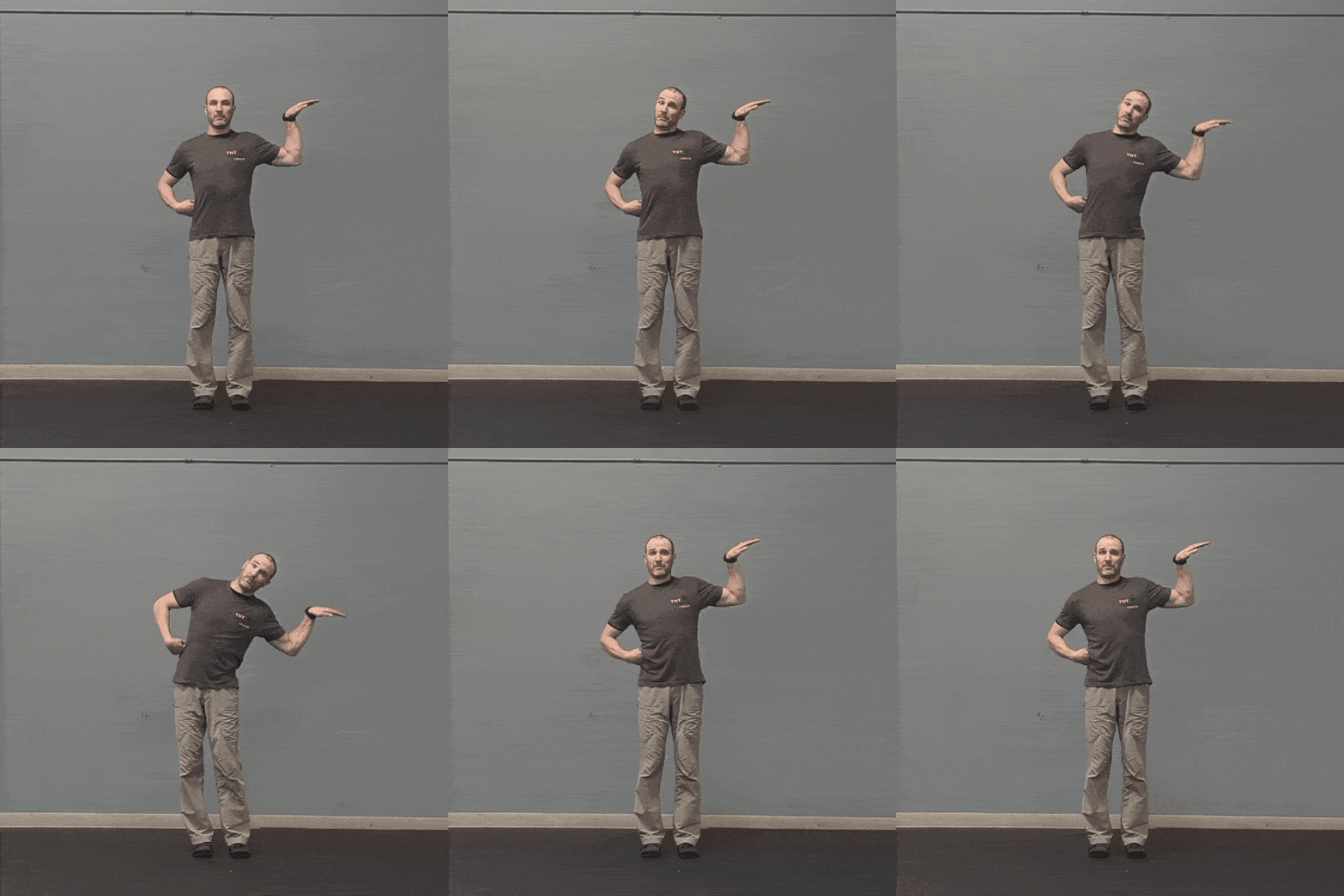
… and now that we’ve started out with a relaxing chuckle, let’s get to improving our shoulder mobility and health.
Teacup: shoulder mobility in all planes
Last week I briefly covered the three planes of motion and introduced a hip-focused mobility (and strengthening) exercise that uncommonly requires movement in all of them. Check it out if you missed it or need a refresher.
Since the shoulder is kind of like the “hip joint of the upper body”, it too will benefit from movement in all three planes. And that’s exactly what’s done when performing the Teacup.
To set up the movement, bring your hand, palm facing up, in front of you to about shoulder height. Throughout the movement you’ll be keeping your hand palm-up, as if you were holding a teacup in your palm and didn’t want to drop it—hence the name of the drill. (You can place a deck of cards on your hand if you learn best with tangible feedback. It’s a lot less breakable if you do drop it.)
From the starting position, rotate your arm in an outward and slightly elevating spiral until it passes over your head. Continue the movement, now on a descending spiral, until your hand passes under your arm and returns to the starting position.
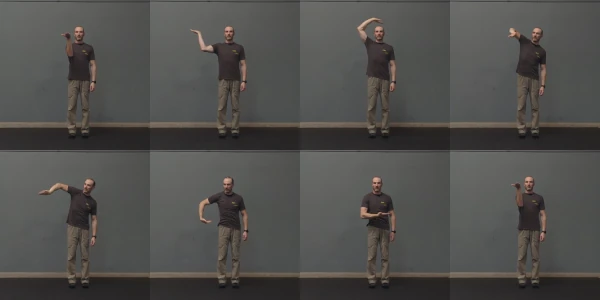
I’m sure that reading those directions is somewhat confusing. But in my experience, seeing the movement the first time is often a little confusing too. So in an attempt to slowly build your understanding, check out the following still frames. Then read the description again before checking out the videos below.
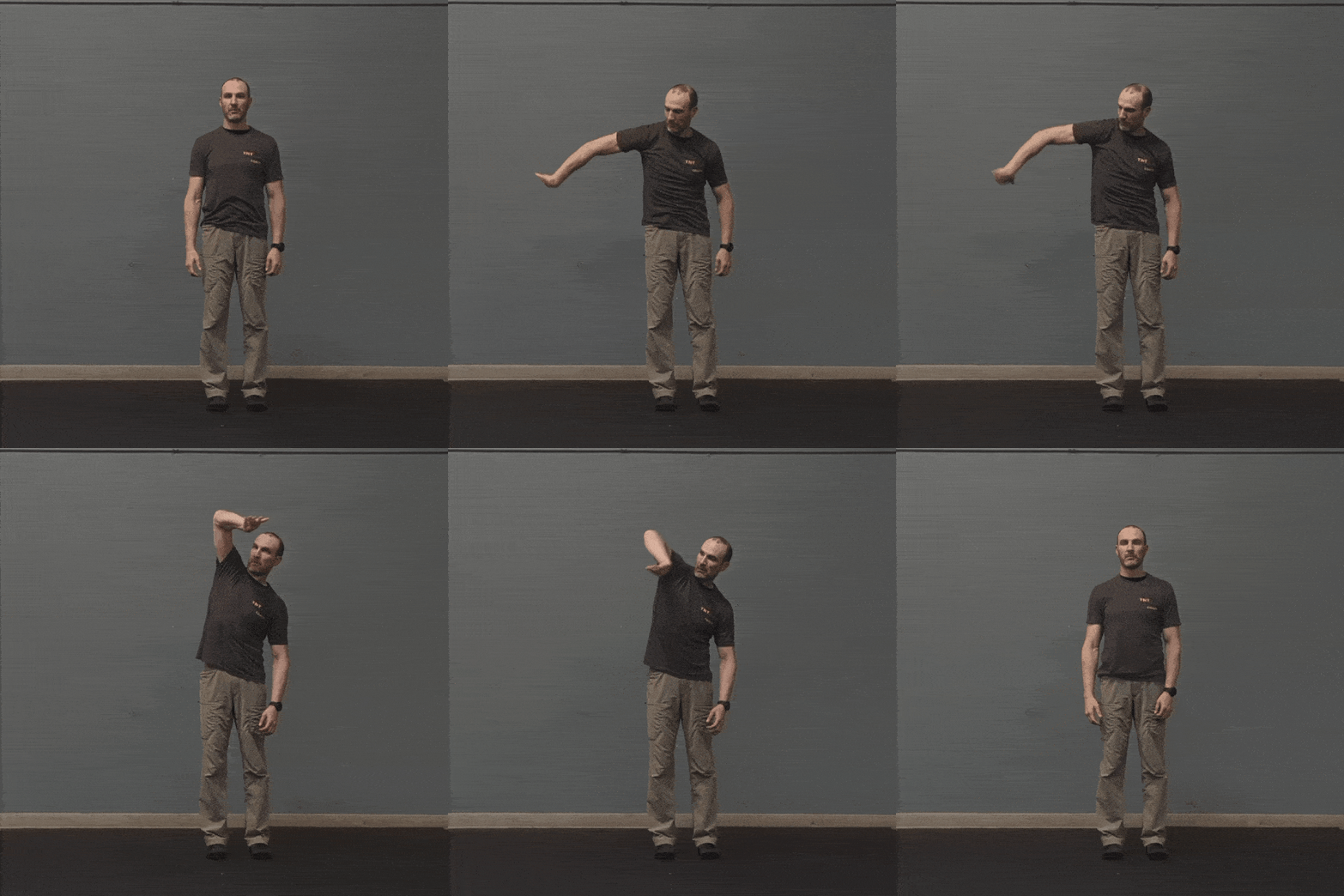
When you first attempt the movement, you’ll probably have an easier time if you make very large spirals like in the video below. After you’ve mastered the movement as described (and as performed in the first two spirals), try the movement in reverse (as in the second two spirals).
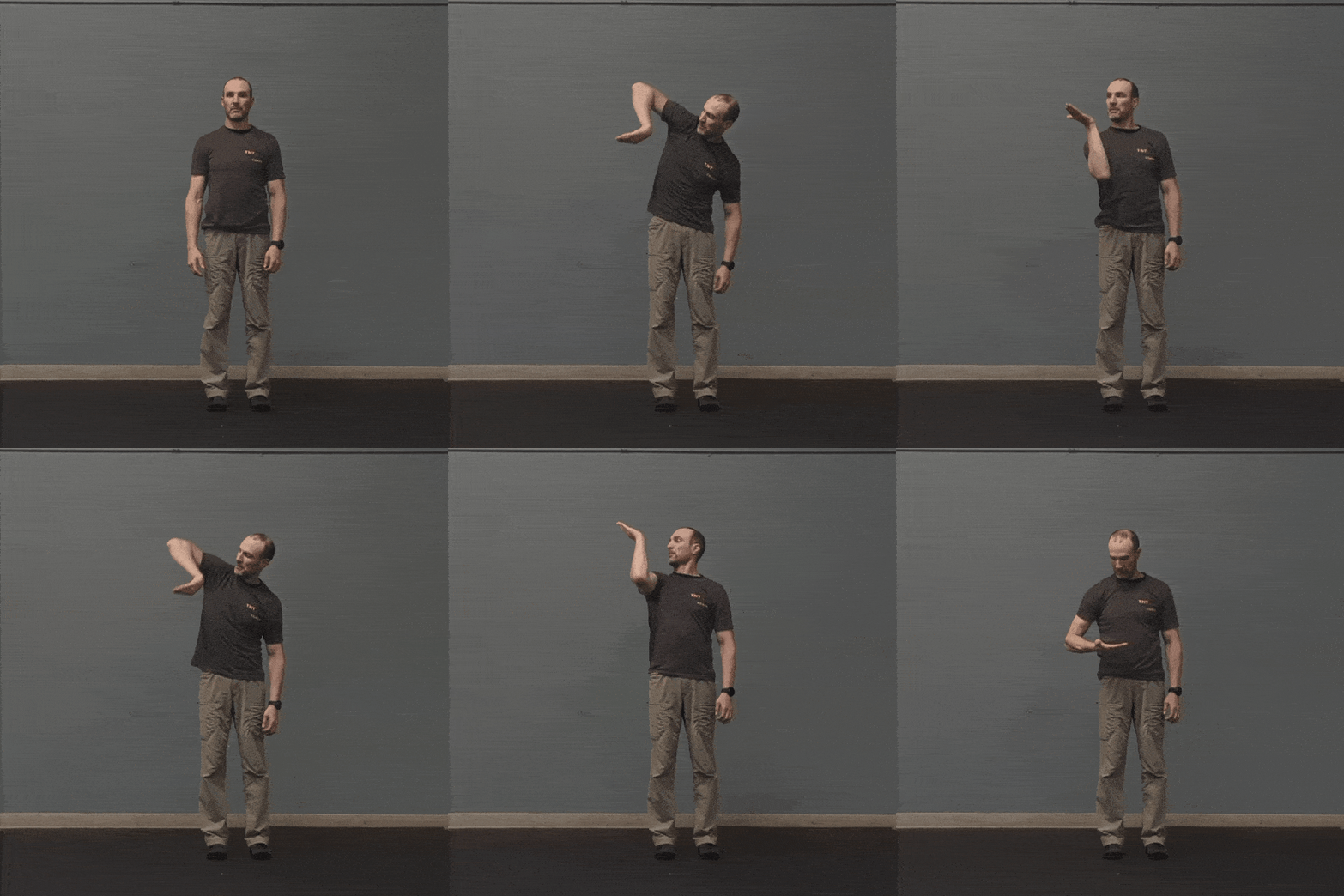
And then for a final challenge, tighten up the spirals (in both directions).
Putting it into practice
As with any new movement, the Teacup will take some practice before it feels comfortable. If you find yourself struggling with it—which is common, especially if you have a stiff spine and shoulders—there are three things you can try:
- As mentioned above, hold a deck of cards in your hand. This will give you very specific feedback if your palm deviates from its face-up orientation.
- Either watch yourself in a mirror doing the movement or watch your hand throughout the movement. This often helps with understanding the spiral pattern that your hand should follow.
- Allow your torso to sway, as in the videos above. The less mobile your shoulders, the more your torso will move to compensate. (As you become more mobile, aim to move your torso less.)
Like last week’s suggestion for Cossacks, the Teacup can be used to warm up prior to a day of heavy overhead work or between sets on light or medium days.
Of course, it’s also simple enough to be done randomly throughout the day. But even in that case, I’d still suggest following it up with at least a little bit of simple, yet effective strength-building work.
With some consistency, building mobile and resilient shoulders will be easy as a cup (or pot) of tea.