
Joint mobility is an important part of any fitness program. Maintaining or improving it can contribute to the reduction (or prevention) of pain or injury, increased strength and endurance capabilities during training, and healthy aging.
In previous tips, I’ve said that the most commonly stiff and misaligned joints for most people (myself included) seem to be the hips and spine. If you’ve been reading (and hopefully implementing) for awhile, you already have a few options that target those joints. If you’re new to these tips or need a refresher, here are some of them:
Today I’m going to add one more option for a very specific reason: to mobilize and strengthen your hips through a plane of motion that’s often minimally trained, including in the drills linked above.
The third plane
Human movement is broadly categorized into three planes:
The sagittal plane divides the body into left and right halves and includes forward and backward movements. Examples include walking, squats, deadlifts, lunges, biceps curls, and bench press.
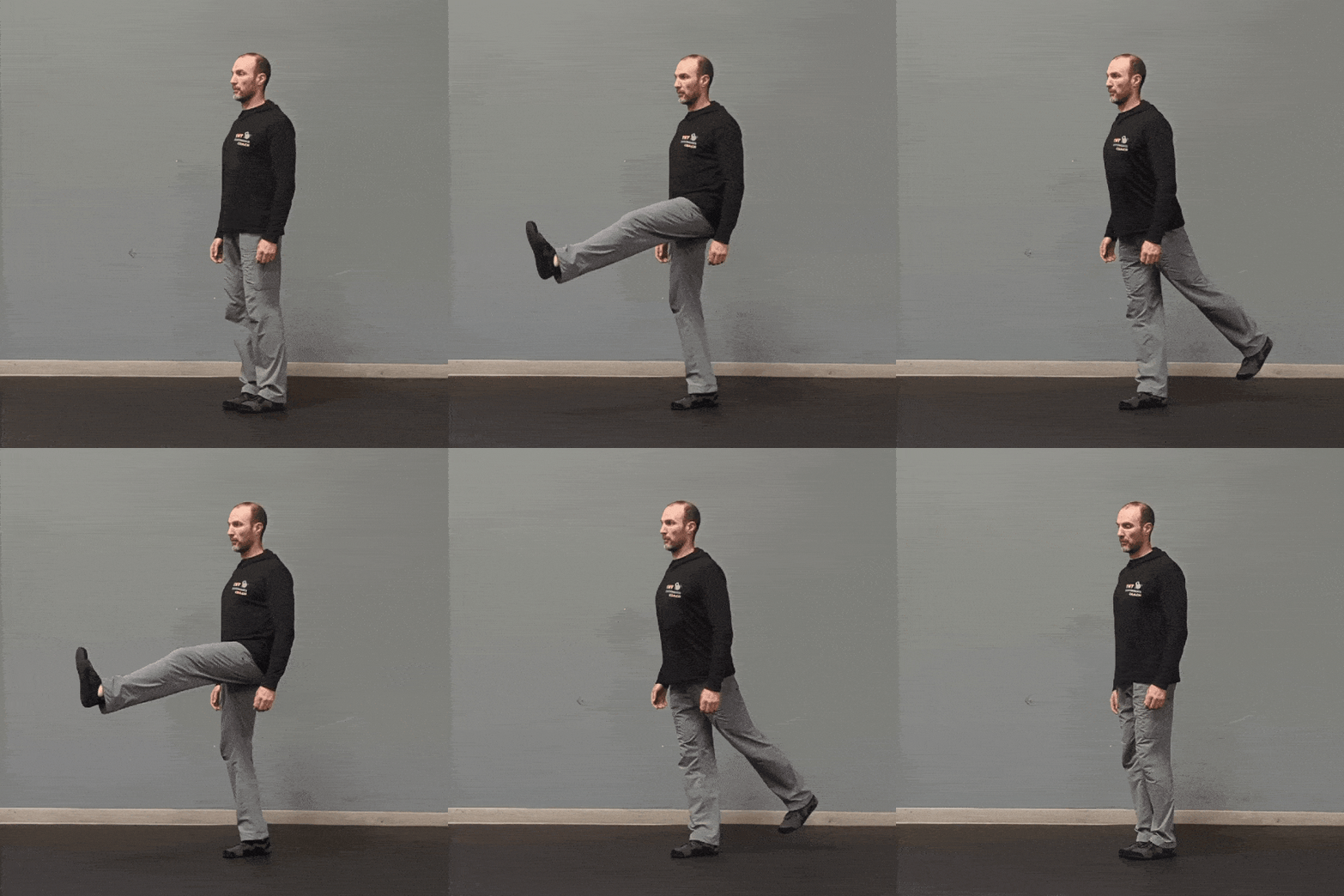
The frontal plane divides the body into front (anterior) and back (posterior) halves and includes side-to-side movements. Side planks, lateral shoulder raises, and side bending, stepping, and lunging are examples.
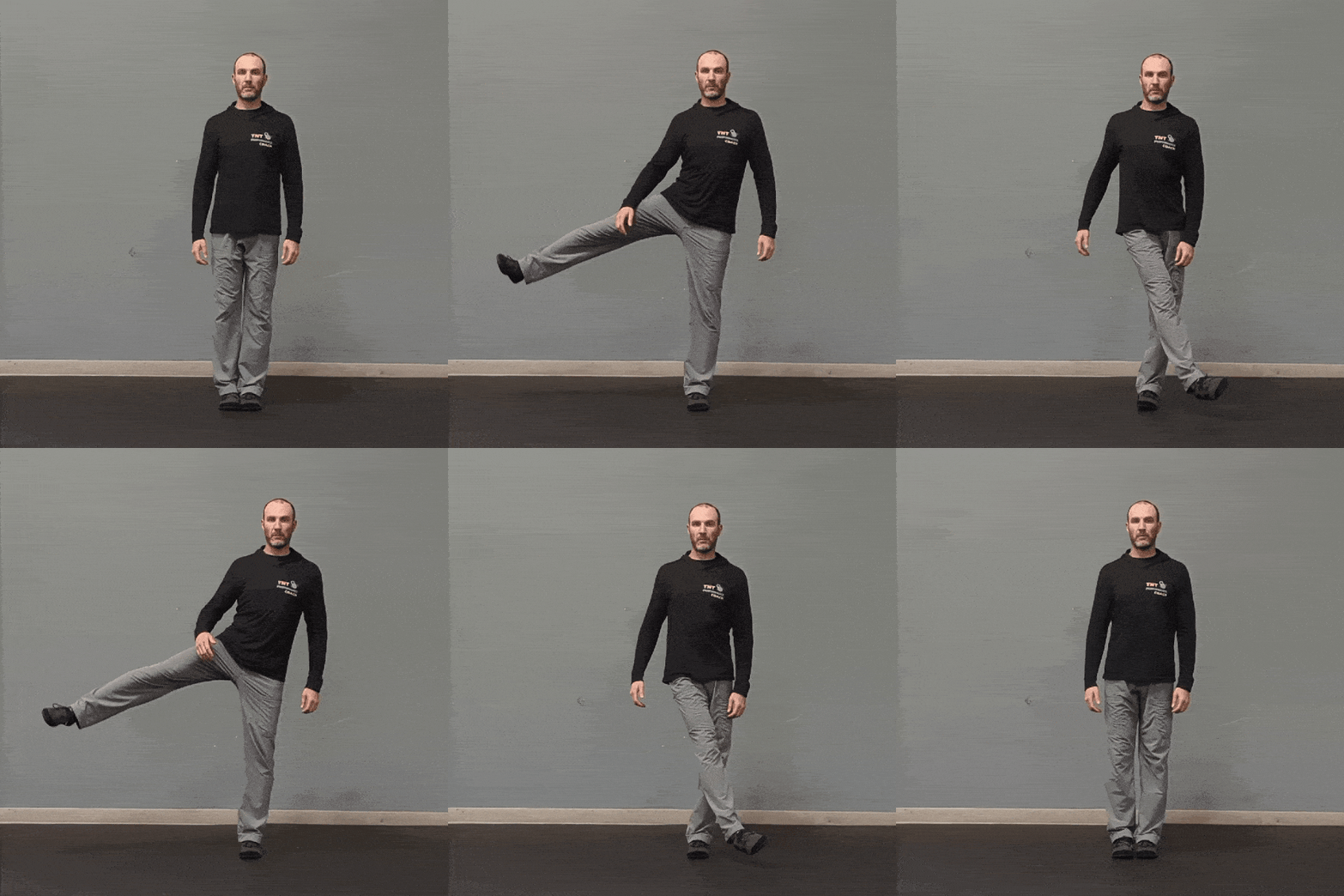
The transverse plane divides the body into top (superior) and bottom (inferior) halves and includes twisting or rotational movements. Many everyday or sport-related movements such as checking your blind spot while driving and swinging a golf club, tennis racket, or baseball bat include movement in the transverse plane.
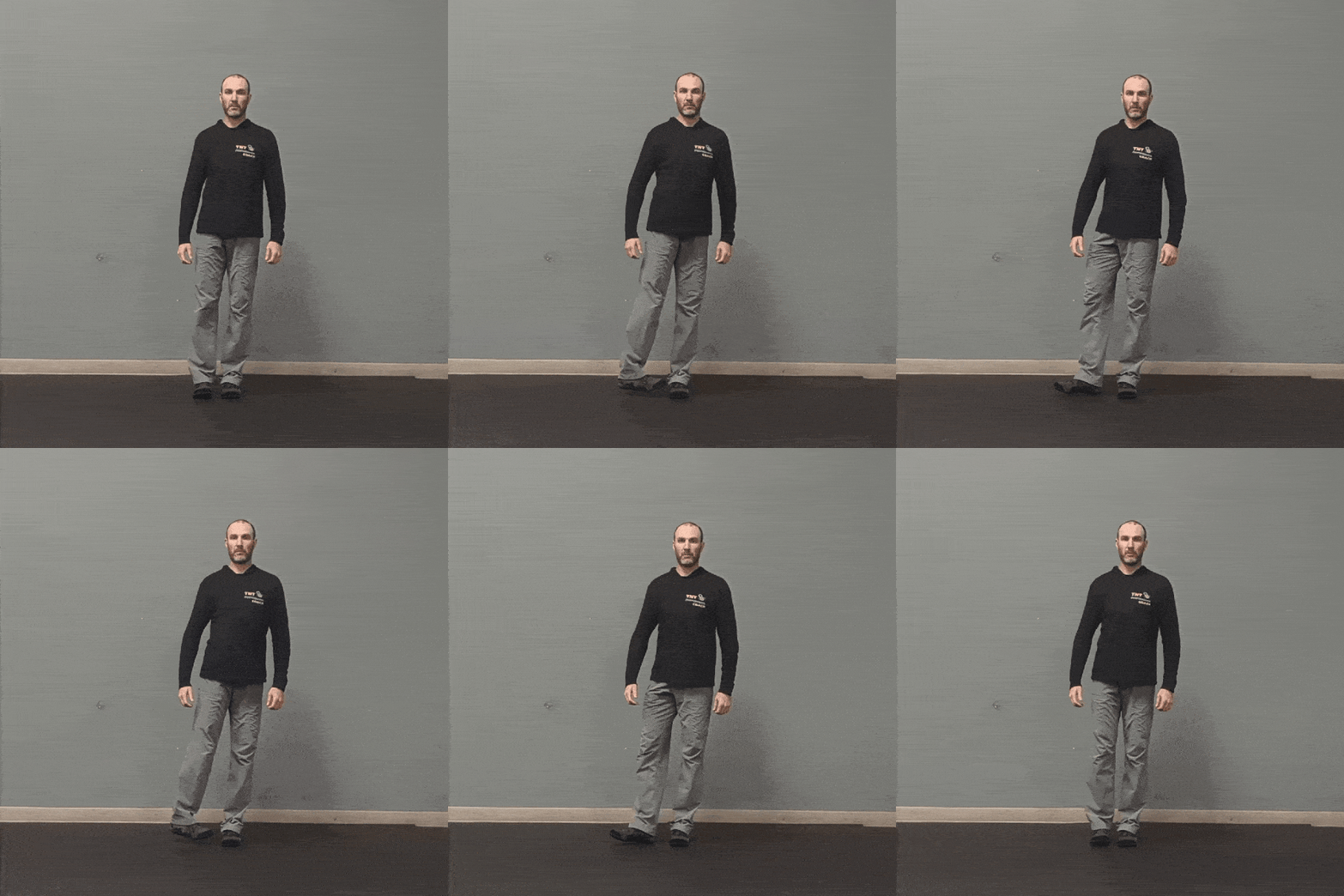
Transverse movements also occur to varying degrees in fitness-related movements like get-ups, windmills, kettlebell military presses, and pull-ups on Olympic rings when your hands rotate from a pronated (palms facing away) to supinated (palms facing towards) grip. However, these exercises are relatively uncommon and generally involve rotation of the spine and shoulders more than the hips.
And that finally leads me to the main point of today’s tip.
Cossacks: Side Lunges modified for transverse benefits
I included side lunges as an example of movement in the frontal plane above because of the leg abduction (moving away from the centerline of the body) that initiates the movement and leg adduction (moving toward the centerline of the body) that ends the movement. But a side lunge also includes movement in the sagittal plane due to hip and knee flexion in the bending/lunging leg.
That said and like many other common exercises, side lunges include little to no transverse movement as both feet remain planted throughout the exercise.
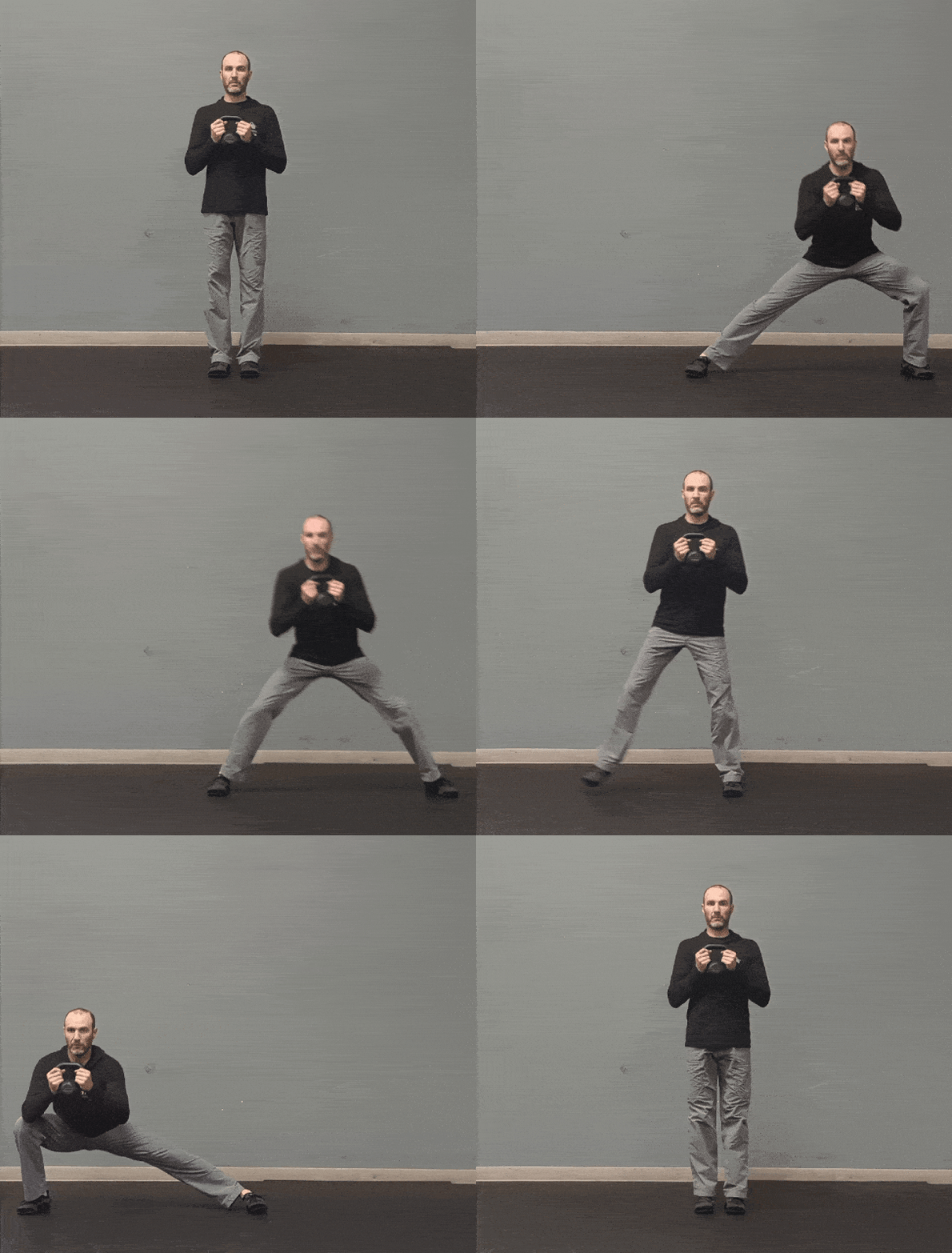
If we add some external hip rotation on the side of the straight leg, however, we get a Cossack.
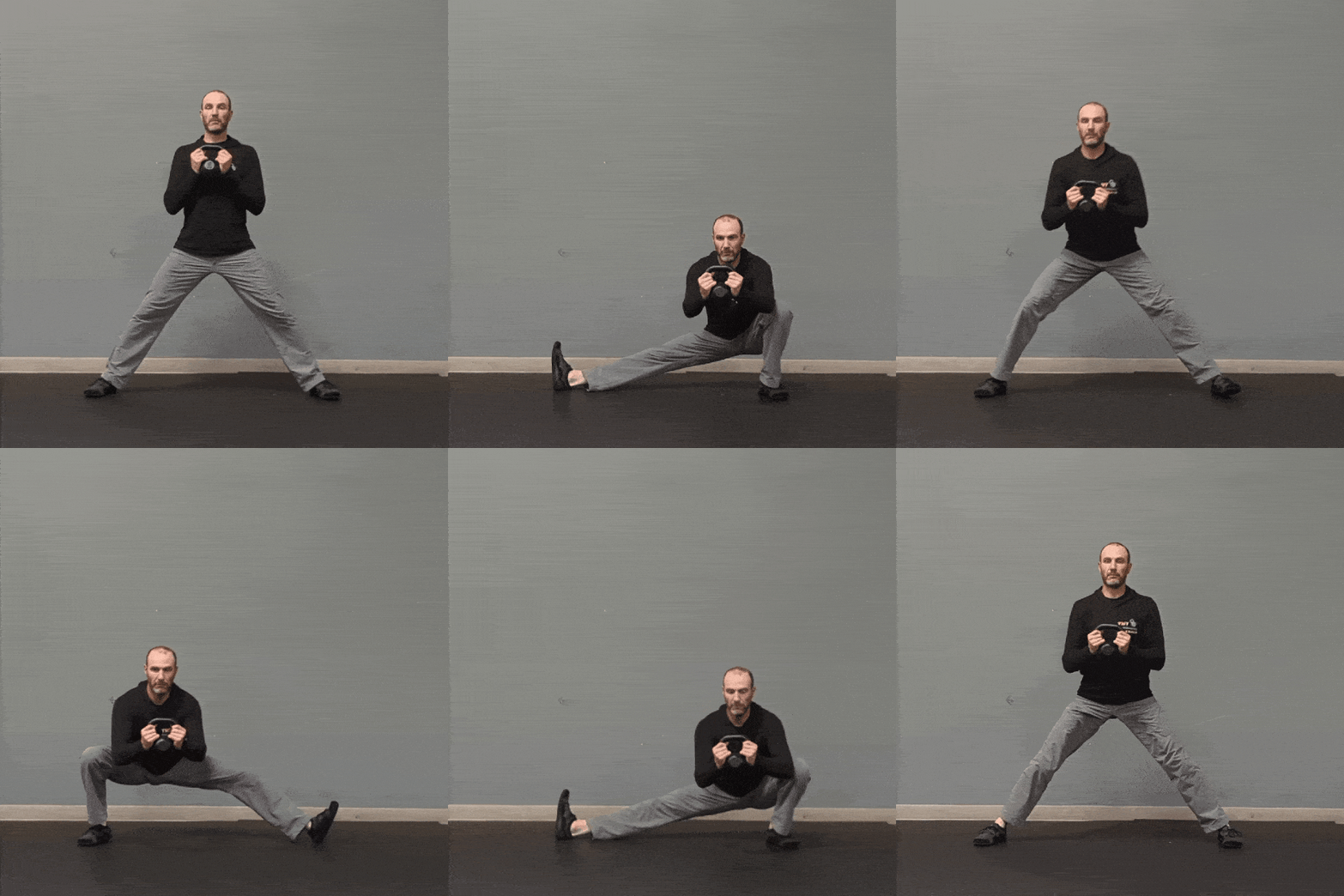
As you can see in the video above, external rotation of the straight leg means pointing the toes toward the ceiling. Whether you stand up between reps (as I do between the first, second, and third reps) or “simply” shift from side-to-side (as in reps four through six) is a matter of personal preference. Either way, both heels should stay in contact with the floor at all times.
If your hips are particularly stiff, you’re unlikely to be able to get as low as the video shows or to rotate your leg enough to fully point the toes toward the ceiling. That’s OK. Everything will improve with practice!
On the other hand, if your hips are relatively mobile and your structure allows (i.e. long torso and femurs and shorter tibias), you might end up even lower to the ground or be able to point your toes slightly backward. That’s also OK. And everything will improve with practice! 🙂
Whatever the case, use a light weight as a counterbalance the first few times you perform the exercise. (You can also hold on to a suspension trainer or the uprights of a squat rack.) This will allow your torso to remain more upright and work the legs differently than what happens with the larger forward torso lean often caused by not using a counterweight.
As your mobility, flexibility, and strength improve, you can progress to lighter and lighter weights until you’re able to perform the movement without weight.
Putting it into practice
Since few exercises incorporate dynamic internal or external hip rotation, intentionally and regularly adding a couple key movements to your training regimen can have profound effects. For external rotation, Cossacks are hard to beat. For internal rotation, see step #2 of the Tactical Frog (linked above).
Both exercises can be added early in a training session to prepare for heavy lower body work. On light or medium days, you might enjoy sprinkling them between sets.
Wherever you choose to place them, you’ll be covering an oft-neglected hip movement that should enhance the benefits produced by other hip mobility work you’re doing.